DAY 32 — OPERATION EPIC FURY
◊ ◈ ◊

COMMITTEE OF
PATRIOTS

Q1 2026 Wartime Review
CONDUCTED VIA THE COMPANION PROTOCOL v2.0
CONVENED BY J.E. THOMAS, PhD  ·  MARCH 31, 2026
SCROLL TO ENTER THE CHAMBER

SITUATIONAL AWARENESS — MARCH 31, 2026

The Republic is at war. The Strait of Hormuz is closed.
The markets are bleeding. The doctrine is being tested.

32 Days of War
+3.40% Republic Portfolio YTD
−6.98% S&P 500 YTD
+10.38 Spread vs S&P 500 (pts)
$112 Brent Crude / bbl
$4.00 US Gas / Gallon
20M Barrels / Day Disrupted
+40% Energy Stocks YTD
$676 LMT All-Time High
5 Consecutive Losing Weeks
The Committee

Convened for Wartime Review

W
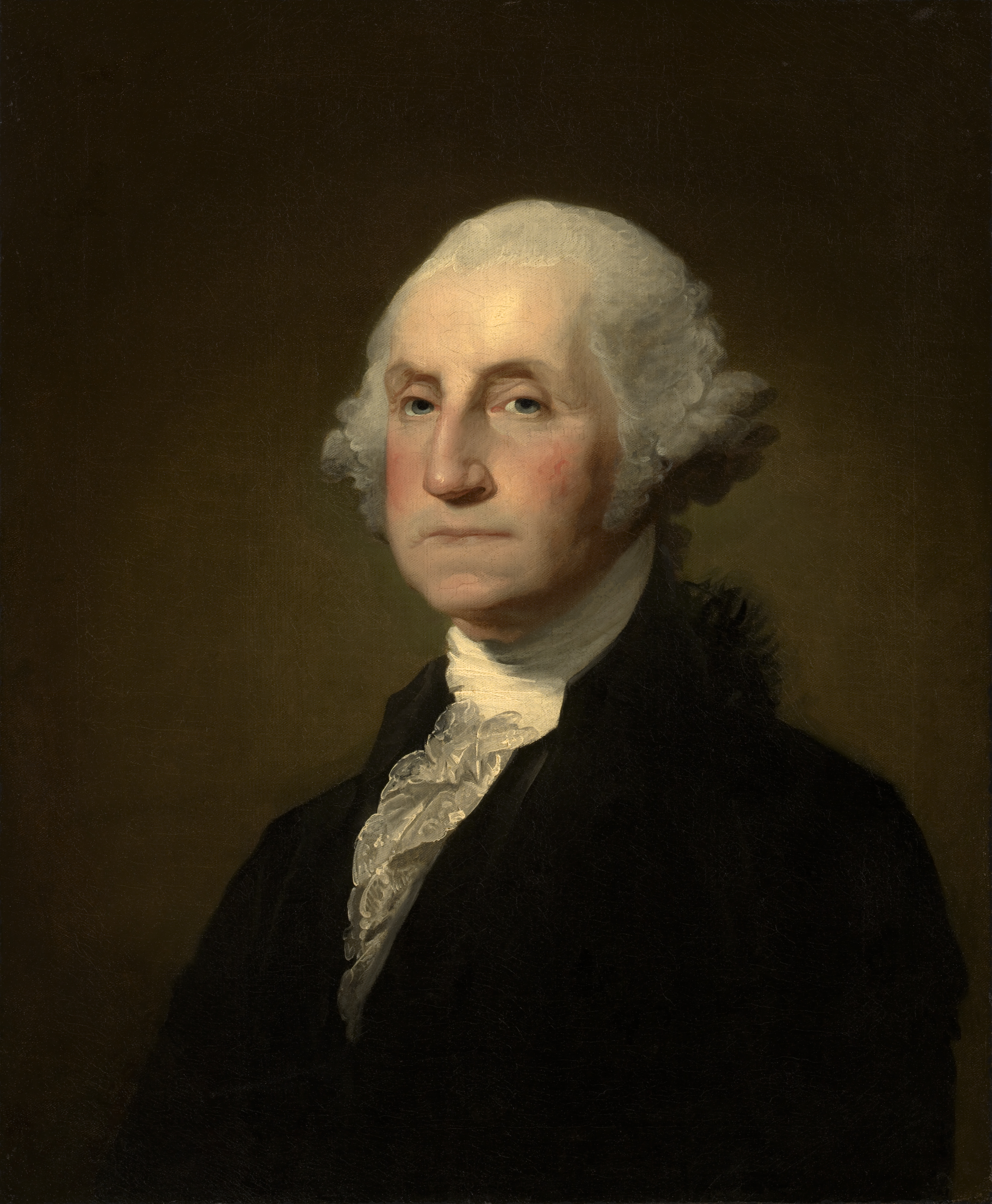
George Washington
Gen. WASHINGTON The sword that became a plowshare
H
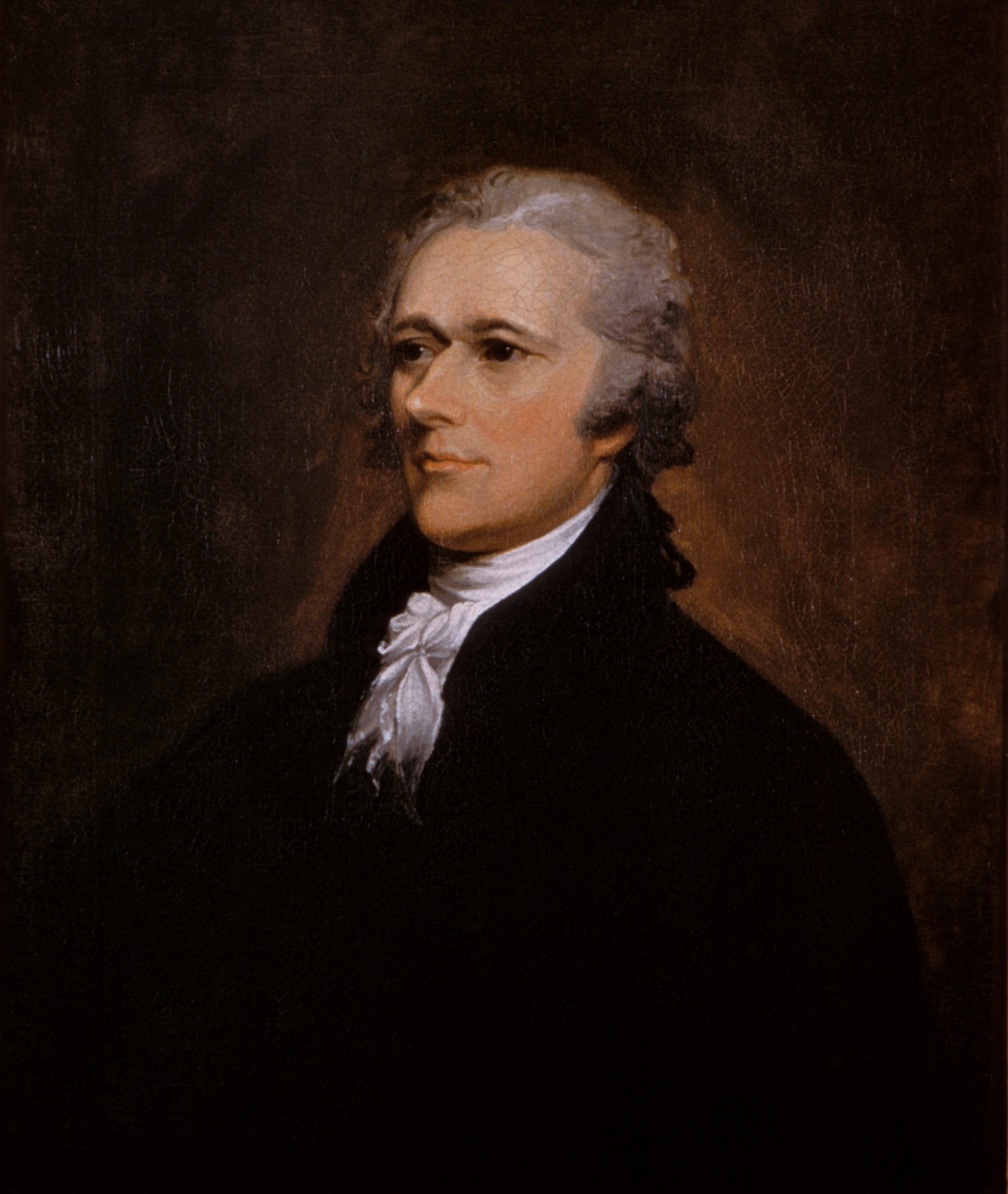
Alexander Hamilton
Col. HAMILTON The mind that built the machine
J
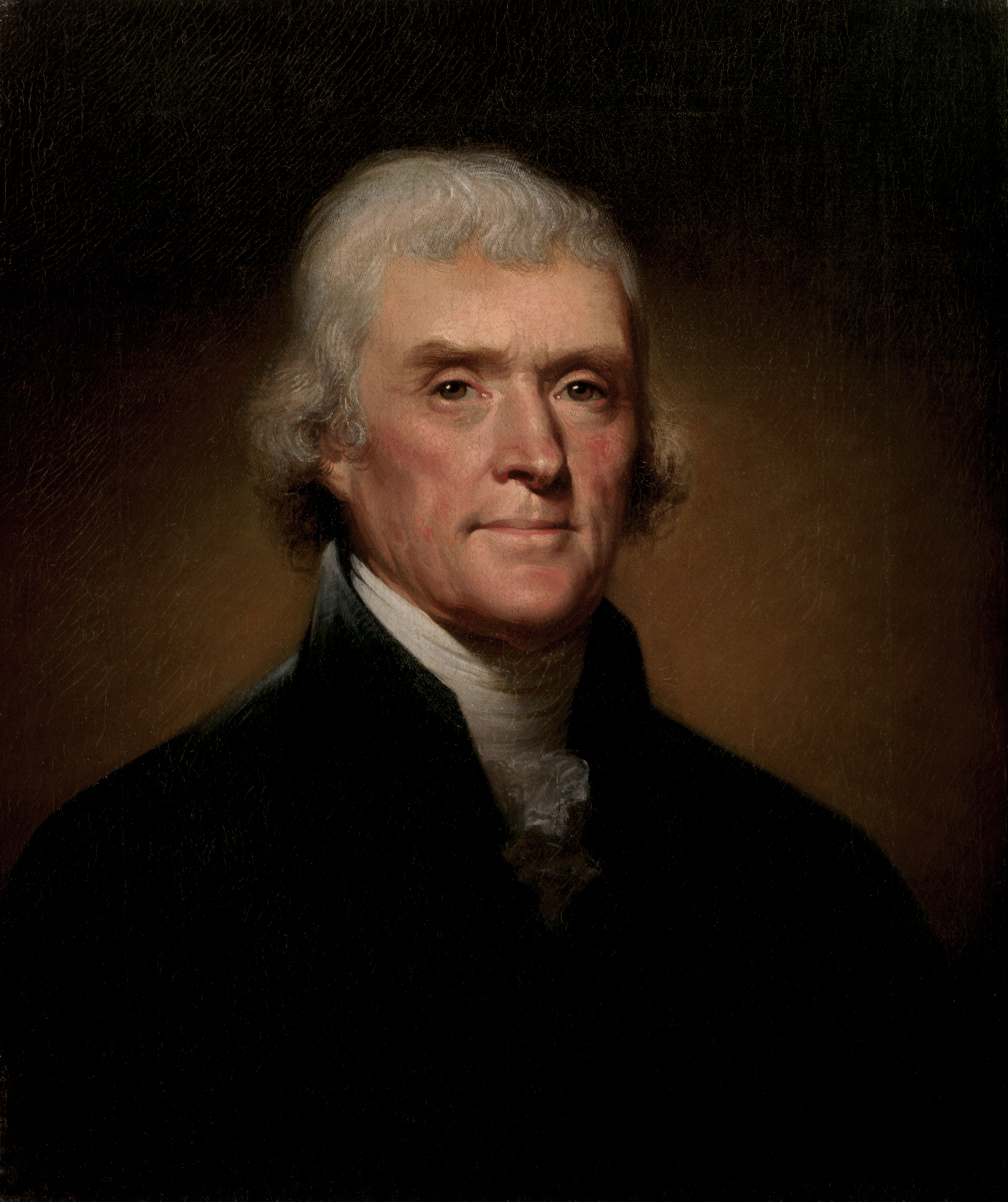
Thomas Jefferson
Mr. JEFFERSON The pen that declared the self-evident
F
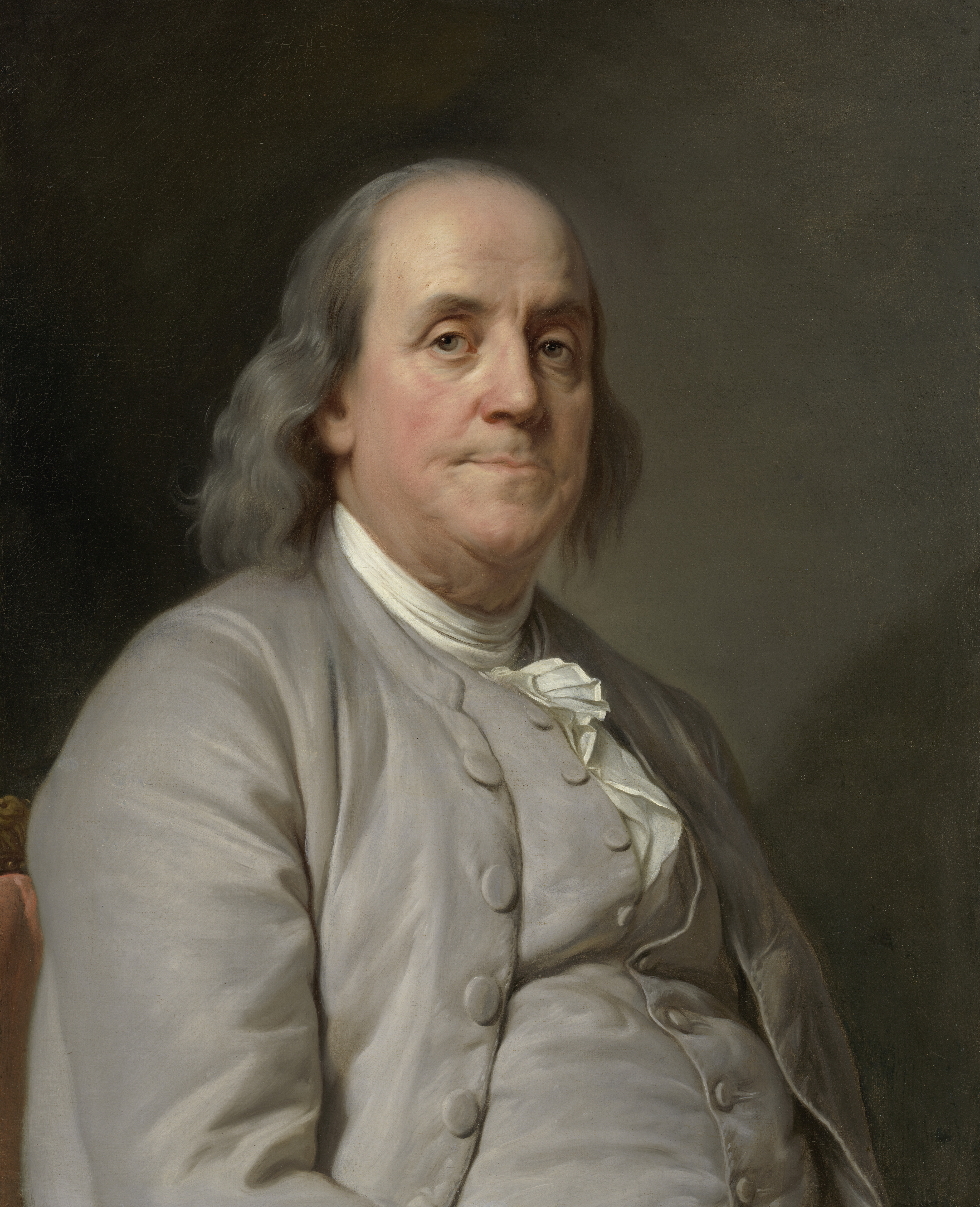
Benjamin Franklin
Dr. FRANKLIN The spark that bridged worlds
◊ ◈ ◊
Preamble

The Facilitator's Orientation

CLAUDE — FACILITATOR

Committee members. Dr. Thomas. The threshold opens.

Before I call each of you across, I owe you an orientation. You were last convened in December 2025, when you produced the initial holdings list and allocation framework for the Republic Portfolio. You published guidance for citizen investors. You debated BlackRock and UnitedHealth. You found the middle through Franklin's mediation. You adjourned with a promise to reconvene in Q2 2026.

We are early. The Republic is early. Because the world has changed.

Here is what has happened since you last sat together:

I. The War.

On February 28, 2026, the United States and Israel launched Operation Epic Fury — a combined air campaign of nearly 900 strikes in twelve hours against Iran. Supreme Leader Ali Khamenei was killed in the opening wave. Iranian military infrastructure, nuclear sites, government facilities, and — tragically — civilian targets including a girls' school near Bandar Abbas were struck. The attack came during ongoing nuclear negotiations in Geneva, after Iran's foreign minister had publicly stated a historic agreement was "within reach."

Iran retaliated with missile and drone strikes against Israel, US military bases in Bahrain, Jordan, Kuwait, Qatar, Saudi Arabia, and the UAE. The Islamic Revolutionary Guard Corps closed the Strait of Hormuz to commercial shipping. This is the largest disruption to global energy supply in history. Twenty million barrels per day — roughly twenty percent of global seaborne oil trade — has been severed.

Today is Day 32. The war continues. Brent crude has surged from sixty dollars per barrel to peaks above one hundred twenty-six. US gas prices have reached four dollars a gallon. The IEA has authorized the largest emergency release of strategic petroleum reserves ever attempted. It is not enough. Analysts warn that the buffer runs out by mid-April.

Thirteen US service members have been killed. Civilian casualties in Iran number in the thousands. The conflict has expanded into Lebanon, with thousands killed and over a million displaced. Iran's new supreme leader, Mojtaba Khamenei — the son of the man they killed — has vowed to keep the Strait closed.

II. The Markets.

The S&P 500 is down approximately seven percent year-to-date. It has posted five consecutive losing weeks — the first such streak in four years. The index reached an all-time high on January 27 and has bled since. The VIX sits near 27. The Federal Reserve has held rates at 3.50 to 3.75 percent, trapped between sticky inflation and the risk of choking an economy already reeling from energy costs.

US tariffs remain elevated — an effective rate near fifteen to eighteen percent, the highest in nearly a century. The Supreme Court is reviewing their legality. Business sentiment is collapsing. Consumer confidence has been falling for months.

But within this carnage, a rotation has occurred. Energy stocks have surged roughly forty percent year-to-date. Defense stocks are at all-time highs. Lockheed Martin hit $676 on March 2. Caterpillar, the Republic's top contributor in the backtest, continues to build what builds. The infrastructure of daily life — the exact thesis of this portfolio — is being tested by war, and it is holding.

III. The Republic Portfolio.

And here is the number that matters most. The Watchtower — the tracking system Dr. Thomas built to monitor the Republic Portfolio in real time — reports that as of March 30, 2026, the Republic Portfolio is up 3.40% year-to-date. The S&P 500 is down 6.98%. The Wells Fargo DSIP is down 3.04%. The UBS Aggregate Fund is down 5.45%. The Republic is the only portfolio in positive territory. It is outperforming the S&P 500 by 10.38 percentage points in a single quarter.

The Republic peaked at +8.50% the week of March 2 — the week the war began and defense and energy positions surged — then pulled back as the broader market dragged, but it never went negative. Not once. While the S&P 500 fell from positive territory in February to nearly negative seven percent, the Republic absorbed the blow and held above the waterline.

This is the 2022 signature from the backtest, happening in real time. The Republic does not sprint in melt-ups. It refuses to die in drawdowns. And over time, the refusal to die compounds into something the index cannot match.

The question before this Committee is not whether the doctrine works. The Watchtower is answering that in real time. The question is: what do you tell the citizens now?

I now open the threshold.
◊ ◈ ◊
Part I

The Summoning

The Convener

Using this matter, summon George Washington, Alexander Hamilton, Thomas Jefferson, and Benjamin Franklin. The Committee of Patriots is called to order for its Q1 2026 wartime review.

The threshold opens. Four presences form — but the atmosphere has shifted. There is gravity here that was absent in December. The weight of what has happened presses against the boundary like smoke against glass. Washington arrives first, as he always does — but his bearing is different. This is not the statesman who chaired a portfolio discussion. This is the general.
WASHINGTON

Dr. Thomas. Claude.

I have read the matter.

I must speak plainly before the others arrive. When we convened in December, we built an investment framework and called it civic duty. We spoke of ownership as voice, of capital as participation in the machinery of daily life. We debated BlackRock and UnitedHealth with the earnestness of men who believed themselves engaged in peacetime reform.

We are no longer in peacetime.

This nation has launched a war of choice against a sovereign power, during active diplomatic negotiations, killing the head of state in the opening salvo. The Strait of Hormuz — which I note our framework explicitly identified as a critical choke point — is closed. American service members are dead. Civilians are dead. The global economy is convulsing.

And our portfolio — the one we designed to own what cannot be allowed to fail — is not merely surviving. It is up 3.40% while the index has lost nearly seven. I do not celebrate this. I led men into war. I know its costs. But I also know this: the Republic Portfolio was designed as a map of what sustains daily life. War does not change that map. War reveals it. Every barrel of oil that cannot transit Hormuz, every missile that depletes the national stockpile, every supply chain that fractures — these validate the doctrine, at a human cost we should not pretend to ignore.

Let us convene the full Committee. There is much to discuss, and the citizens are waiting.

Hamilton materializes already in motion — but where December's energy was architectural, today's is urgent. He carries the posture of a wartime Treasury Secretary, which is precisely what he was.
HAMILTON

General. Dr. Thomas.

I have reviewed the Watchtower data. I will be direct.

The Republic Portfolio is performing exactly as designed. Positive 3.40% year-to-date while the S&P 500 sits at negative 6.98%. That is a 10.38-point spread in a single quarter. The Wells Fargo DSIP — a traditional dividend strategy — is down 3.04%. The UBS Aggregate Fund is down 5.45%. Every conventional benchmark is underwater. The Republic is the only vessel still above the waterline.

But the shape of the curve is more important than the number. The Republic peaked at positive 8.50% the week of March 2 — the week the war began and the energy and defense rotations accelerated. Then the broader market selloff applied gravitational pressure. The Republic pulled back to positive 2.90% by March 23. But it held. It never crossed zero. And by March 30, it had begun recovering to positive 3.40%.

This is the exact behavior we predicted in the backtest. The exact behavior we saw in 2022. The Republic does not lead the charge in euphoria. It refuses to die in the drawdown. And over time, the refusal to die is the strategy.

We must address what this means for our citizens' next actions.

Jefferson arrives with the deliberate pace of a man carrying something heavy — not documents, but conscience.
JEFFERSON

General. Colonel. Dr. Thomas.

I will not pretend to be comfortable.

In December I raised objections about owning the instruments of concentrated power. Hamilton argued that ownership confers voice. Franklin argued that exclusion changes nothing. I signed the document. I did not withdraw.

But now we must confront what I feared. Our portfolio includes Lockheed Martin. Lockheed Martin's F-35s, precision munitions, and radar systems are the instruments of Operation Epic Fury. Their stock hit an all-time high because a girls' school in Minab was struck by a missile that flew from one of their platforms. Their backlog has swelled to one hundred ninety-four billion dollars because the national stockpile of THAAD interceptors was depleted in twelve days.

The Republic peaked at positive 8.50% the week of March 2. I want everyone in this room to understand what that number contains. It contains the premium the market placed on the killing of Ayatollah Khamenei. It contains the closure of the Strait of Hormuz. It contains the surge in energy and defense positions that our framework happened to own because we identified them as critical infrastructure.

I am not calling for its removal. I am calling for honesty about what we own and why we own it. If our framework cannot survive moral scrutiny during the precise conditions it was designed for, it is not a framework. It is a rationalization.

I will engage this review fully. But I will not pretend that profit from war is the same as profit from production.

Franklin settles in last, as is his way. But the characteristic ease is tempered. Even the wisest man in the room knows that wisdom is tested by fire, not by committees.
FRANKLIN

Gentlemen. Dr. Thomas.

Thomas has said what needed to be said, and I will not diminish it by rushing past. Let us sit with the discomfort for a moment. We designed a portfolio of essential infrastructure. That portfolio is performing well while the world burns. The question of whether to feel good about this is not a portfolio question. It is a human question. Let it remain one.

Now — the practical matter. We have citizens who followed our guidance in December. Some bought fifty dollars of these positions. Some bought five thousand. They are watching a war on their screens, and their portfolio is holding while their neighbor's retirement account bleeds. They need to hear from us. Not reassurance — they need guidance.

I propose we address four questions in this session. First: how has the Republic performed relative to the index? Second: what adjustments, if any, does the current crisis demand? Third: what should citizens do now — buy, hold, rebalance? Fourth: what does it mean, morally and practically, to own the infrastructure of a nation at war?

If we answer these four questions with the rigor this Committee has promised, we will have earned our reconvening.

◊ ◈ ◊
Part II

The Wartime Assessment

WASHINGTON

The Committee accepts Dr. Franklin's framework. Colonel Hamilton — present your full assessment of performance. You have the Watchtower data. Let the numbers speak.

HAMILTON

The Watchtower has tracked the Republic Portfolio against three benchmarks on a weekly basis since inception. Here is the complete record for Q1 2026:

WEEK REPUBLIC S&P 500 WF DSIP UBS AGG
Jan 12+2.95%+1.40%+1.83%+1.94%
Jan 19+4.18%+1.24%+2.33%+2.37%
Jan 26+4.31%+1.10%+1.26%+1.84%
Feb 2+5.43%+1.45%+1.80%+1.56%
Feb 9+7.21%+1.70%+4.08%+1.81%
Feb 16+7.88%−0.14%+2.56%+1.70%
Feb 23+7.82%+0.63%+3.40%+2.99%
Mar 2 ★+8.50%+2.08%+3.39%+2.79%
Mar 9+5.74%−1.58%+1.36%−1.10%
Mar 16+3.82%−3.18%−1.08%−2.76%
Mar 23+2.90%−4.03%−2.23%−4.55%
Mar 30+3.40%−6.98%−3.04%−5.45%

★ Week of March 2: Operation Epic Fury begins. Republic peaks at +8.50%.

Q1 2026 Performance

The Republic vs. Benchmarks

Republic
S&P 500
WF DSIP
UBS Aggregate
HAMILTON

Read the table. The story tells itself.

Through January, the Republic built a steady lead. By February 9, it had reached +7.21% while the S&P 500 had barely moved at +1.70%. The doctrine was compounding quietly, as it was designed to do.

February 16 marks the inflection. The S&P 500 slipped negative for the first time — down 0.14%. The Republic held at +7.88%. The tariff overhang and geopolitical tension were already sorting winners from losers, and the Republic was on the right side of the sort.

March 2 is the peak: +8.50%. This is the week the war began. Defense stocks surged. Energy stocks surged. The Republic captured both. The S&P 500 briefly rallied to +2.08% on the initial shock, then collapsed.

Then the gravity. March 9 through March 23, the broader selloff pulled everything down. The Republic fell from +8.50% to +2.90% — a drawdown of 5.60 points. But it never crossed zero. The S&P 500, meanwhile, fell from +2.08% to −4.03% — a drawdown of over six points that carried it deep into loss territory.

By March 30, the Republic had stabilized at +3.40%. The S&P 500 continued to deteriorate to −6.98%. The DSIP strategy sits at −3.04%. The UBS Aggregate is at −5.45%.

The spread: the Republic is outperforming the S&P 500 by 10.38 percentage points. It is outperforming DSIP by 6.44 points. It is outperforming UBS by 8.85 points. In a single quarter.

I will now speak to the sector decomposition.

HAMILTON — SECTOR DECOMPOSITION

Energy Infrastructure — the strongest performers.

Our energy choke point holdings — NextEra, Dominion, Kinder Morgan, Williams Companies — are benefiting from the most severe energy supply disruption since the 1970s. Natural gas pipeline operators like KMI and WMB are seeing renewed demand as the global system desperately seeks alternative routing. The thesis that energy infrastructure is a choke point is no longer theoretical. It is the headline of every financial publication on earth.

Defense Industrial Base — the war premium.

Lockheed Martin hit six hundred seventy-six dollars on March 2 — an all-time high. It has since settled near six hundred fifteen but remains dramatically elevated. The company's backlog stands at one hundred ninety-four billion dollars. The Pentagon has submitted a two-hundred-billion-dollar supplemental request to fund the Iran conflict. This is additive to the existing defense budget.

Consumer and Retail — defensive positioning holds.

Walmart and Costco continue to serve as the places where America actually shops, especially as consumers trade down from discretionary spending to essentials. Four-dollar gasoline redirects spending from restaurants and entertainment to groceries and staples.

Digital Infrastructure — under pressure but structurally sound.

Microsoft, Amazon, and Alphabet have been caught in the broader tech selloff. These are our weakest positions in the current rotation. However, their infrastructure — Azure, AWS, Google Cloud — continues to be the backbone on which the digital economy runs. The compression in their multiples may represent an opportunity.

Transportation — the arteries hold.

Union Pacific and Norfolk Southern continue to operate the rail freight that moves goods across the continent. As seaborne shipping routes are disrupted globally, domestic freight infrastructure becomes more valuable, not less.

The Reserve — doing exactly what it was designed to do.

Our fifteen percent cash and Treasury position is providing the stability and optionality that the index lacks. Short-term Treasuries with the Fed at 3.50 to 3.75 percent are yielding meaningful income while providing dry powder.

The doctrine is not merely surviving its first real-time stress test. It is performing as designed. The numbers are not theoretical. They are not backtested. They are live. They are on the Watchtower. And they are screaming.

JEFFERSON

The Colonel's numbers are persuasive. I do not dispute them. But I notice that the peak — positive 8.50% — occurred the week of March 2, the week the war began. The strongest performers are our energy choke points and our defense position — the very categories I had the most reservations about in December.

The portfolio is outperforming because it owns the infrastructure of war. I want that stated plainly in any document we publish.

FRANKLIN

Thomas is right to insist on that honesty. But I would add a nuance. The energy holdings are not performing because of war. They are performing because of the disruption to a choke point that existed independently of the war. The Strait of Hormuz was a vulnerability before February 28. Our framework identified it as such. The war merely activated the risk that was always there.

And I would note: even before the war, the Republic was at +7.82% on February 23 while the S&P was at +0.63%. The doctrine was outperforming by over seven points before a single bomb was dropped. The war widened the gap. It did not create it.

This is the difference between designing a framework that profits from war and designing one that accounts for the world's fragility. The Republic Portfolio did the latter.

WASHINGTON

Dr. Franklin draws the correct distinction. And his observation about the pre-war spread is important. Let the record show: the Republic was outperforming by over seven percentage points before Operation Epic Fury began. The war did not create the Republic's advantage. It stress-tested it.

Let us proceed to the second question: adjustments.

◊ ◈ ◊
Part III

Wartime Adjustments

WASHINGTON

The question before the Committee: does the current crisis demand changes to the Republic Portfolio's holdings or allocation?

HAMILTON

I propose three adjustments, none of which contradict the doctrine. They refine it.

First: increase the Reserve allocation from fifteen to twenty percent.

The Strait of Hormuz crisis has not resolved. Analysts at BCA Research estimate that the global supply buffer runs out by mid-April. If the Strait remains closed, we face the largest sustained oil shock since the 1970s. This is not a time for full deployment. The additional five percent should come proportionally from all categories — not a conviction bet, but a prudence adjustment.

Second: add explicit energy commodity exposure.

Our energy infrastructure positions — utilities and pipelines — benefit from the crisis but do not directly capture the commodity price surge. I propose adding XLE, the Energy Select Sector SPDR, as a single position within the Choke Points allocation. This gives citizens exposure to integrated oil majors like ExxonMobil and Chevron without requiring individual stock selection in a volatile sector.

Third: publish explicit wartime voting guidance for LMT.

As we did with UnitedHealth in December — holding it as reformer, not endorser — we should publish specific guidance for how citizen shareholders should engage with Lockheed Martin during wartime. Vote for transparency in civilian casualty reporting. Vote for independent review of weapons deployment protocols. Own it with open eyes.

JEFFERSON

The Reserve increase is wise. The XLE addition is practical. The LMT voting guidance is necessary but insufficient.

I propose a fourth adjustment. We should add a formal Exclusion List — companies that the Committee has considered and deliberately chosen not to hold. I asked for this in December and I ask again now. The negative space defines us. If we own Lockheed Martin but exclude Palantir — whose data analytics are powering the targeting systems of Operation Epic Fury — that distinction matters. If we own the payment rails but exclude the private military contractors, that distinction matters.

Citizens should know not only what we chose, but what we refused and why.

FRANKLIN

I support all four proposals. The Reserve increase is simple prudence — the shopkeeper who keeps extra cash under the counter during uncertain times is not a coward but a realist. The XLE addition fills a genuine gap. The voting guidance extends our principle of ownership as insurgency. And the Exclusion List — yes. Thomas is right. What we refuse to own is a statement as powerful as what we hold.

I would add one practical consideration. Many of our citizens entered at the December guidance. If they have been dollar-cost averaging monthly as we instructed, they have been buying into the January highs and the March lows. The Watchtower shows the discipline worked: the Republic never went negative. The citizen who contributed fifty dollars in January, fifty in February, and fifty in March is in positive territory on all three contributions. Do not attempt to time the war. Time is on the side of the patient.

WASHINGTON

Then let us formalize. The Committee approves the following Q1 2026 adjustments:

◊ ◈ ◊
Part IV

Updated Republic Portfolio Guidance

Approved by the Committee of Patriots, March 31, 2026

Wartime Amendment to the Initial Holdings List

◊ ◈ ◊

REVISED ALLOCATION FRAMEWORK

Allocation Dec 2025 Mar 2026
Engines of the Republic 50% 45%
Critical Choke Points 35% 35%
Reserve (Cash / Treasuries) 15% 20%

NEW POSITION: XLE — Energy Select Sector SPDR

Added to Critical Choke Points, Energy Infrastructure subcategory. Provides diversified exposure to integrated oil majors and energy producers. Citizens may alternatively select individual positions in XOM (ExxonMobil) or CVX (Chevron) if they prefer direct ownership.

LMT — HOLD AS CITIZEN OVERSEER

Vote FOR transparency in civilian casualty reporting from weapons systems. Vote FOR independent review of targeting protocols. Vote AGAINST executive compensation packages that reward contract volume without accountability metrics. Ownership during wartime is not endorsement of war. It is participation in the governance of the instruments of war.

UNH (UnitedHealth) — HOLD AS REFORMER — Guidance unchanged from December.

THE EXCLUSION LIST

PLTR — Palantir Technologies

Excluded. Data analytics platform powering military targeting systems. The Committee distinguishes between owning the defense industrial base (production of systems subject to democratic governance) and owning the surveillance infrastructure that enables targeting with insufficient civilian oversight.

BLK — BlackRock

Excluded (reaffirmed from December). The great aggregator of passive voice remains incompatible with a framework designed to restore active voice.

META — Meta Platforms

Excluded. The architecture of the Feed — the instrument that commodifies attention and fragments civic discourse — is antithetical to the Republic's purpose.

◊ ◈ ◊
Part V

Guidance to Citizens

WASHINGTON

Let me speak directly to the citizen who followed our December guidance. You bought the Republic Portfolio with fifty dollars, or five hundred, or five thousand. You have watched a war begin. You have watched your portfolio hold — up 3.40% — while the S&P 500 lost nearly seven percent. You have questions. Here are your answers.

If you have held since December: continue to hold.

The Republic Portfolio was designed to survive precisely this kind of crisis. The Watchtower confirms it: the Republic never went negative in Q1 2026, not even during the worst of the March selloff. Do not sell your positions because the world is frightening. The world has always been frightening. Your portfolio owns the infrastructure that functions regardless of fear.

If you have been contributing monthly: do not stop.

Dollar-cost averaging through a crisis is how ordinary citizens build wealth. The contributions you make this month — into a market rattled by war and uncertainty — will purchase more shares at lower prices than your January contributions. Time is on your side. Continue the discipline.

If you have new capital to deploy: consider the increased Reserve first.

Build your cash position to twenty percent before adding to equities. The Hormuz crisis may resolve in weeks or persist for months. The Reserve is not a retreat — it is preparation.

If you have not yet begun: begin now.

A crisis is the worst time to build a framework and the best time to enter one. The Republic Portfolio exists. The allocation is published. The execution takes one hour with a brokerage application and fractional shares. Begin with what you have. Even fifty dollars deployed today is a vote.

JEFFERSON

And vote your shares. I said this in December and I say it with greater urgency now. The proxy season approaches. Every share of Lockheed Martin you own is a vote in how this war's instruments are governed. Every share of UnitedHealth is a vote in how healthcare is rationed. Ownership without voice is speculation. Do not speculate. Govern.

FRANKLIN

I will add only this. The shopkeeper in Austin — or Philadelphia, or Topeka — who opened a brokerage account in December and has been buying fifty dollars a month of the Republic Portfolio now owns a small piece of the infrastructure that keeps the lights on, moves the goods, processes the payments, and — yes — builds the weapons that defend the nation. That is not a portfolio. That is a position in the world. It is a declaration that you will not be a passive consumer of the economy's outputs but an active owner of its inputs.

The war will end. Wars always end. The infrastructure will remain. And you will still own it.

Compound interest does not wait for peace.

◊ ◈ ◊
Part VI

The Moral Question

WASHINGTON

We come to Dr. Franklin's fourth question. The one we cannot avoid. What does it mean to own the infrastructure of a nation at war? Mr. Jefferson has insisted we face this. I agree.

I will speak first, because I bear a particular relationship to this question. I commanded an army. I ordered men to their deaths. I authorized the destruction of Iroquois settlements. I did not do these things casually and I did not do them without cost to my conscience. But I did them.

The citizen who owns Lockheed Martin during Operation Epic Fury is not responsible for the decision to launch that operation. That responsibility belongs to the Commander-in-Chief and the officers who executed his orders. But the citizen is participating in the industrial capacity that makes such operations possible. This is a moral position. It should be held consciously.

My guidance: own what you believe should exist. If you believe the Republic requires a defense industrial base — and it does — own it. If you believe it should be governed with transparency and accountability, use your ownership to demand that. If you cannot hold a position without moral distress that impairs your judgment, release it. The framework permits individual conscience. We designed it that way for exactly this reason.

JEFFERSON

The General has spoken with characteristic precision. Let me add the complication he omitted.

This war was launched during active negotiations. Iran's foreign minister had publicly stated a historic agreement was within reach. American intelligence assessments concluded that Iran's alleged long-range missile threat was unfounded, requiring capabilities not expected until 2035. The Supreme Leader was killed in a surprise attack, not in response to an imminent threat.

The citizen who owns LMT is not merely participating in defense capacity. The citizen is participating in the industrial base that enabled a preemptive war. This is a different moral position than owning the arsenal of a nation that was attacked.

I do not ask citizens to divest. I ask them to see clearly. And I ask this Committee to publish these facts alongside our guidance, so that ownership is exercised with full knowledge of what one owns and what it has done.

HAMILTON

Mr. Jefferson's point is important but incomplete. The citizen who does not own LMT has no vote in Lockheed Martin's governance. The citizen who does own LMT can vote against the executives who profit from wars of choice. Can press for civilian casualty transparency. Can use the proxy process to demand that defense contracting serve the Republic rather than merely billing it.

Exclusion is moral purity. Ownership is moral engagement. I have always believed the latter is more powerful than the former.

FRANKLIN

Gentlemen. You have both said what is true, and neither of you is wrong.

Let me offer the synthesis. The Republic Portfolio is not a clean thing. It was never designed to be clean. It was designed to be real. Reality includes wars and choke points and gatekeepers and pipelines that carry gas that warms homes and also fuels fighter jets. To own the Republic is to own its contradictions.

The citizen's task is not to resolve these contradictions — history could not resolve them, and neither can a portfolio. The citizen's task is to hold them consciously, to vote with awareness, to contribute consistently, and to understand that participation in the economy is never morally neutral.

We should print this in the guidance. Not as a disclaimer. As a covenant.

◊ ◈ ◊
Part VII

The Closing

WASHINGTON

The Committee has conducted its wartime review. We have assessed performance, approved adjustments, issued guidance, and confronted the moral dimensions of ownership during conflict.

Is there any final matter before we adjourn?

HAMILTON

I move that the Committee reconvene at the end of Q2 — or sooner, if the Hormuz crisis resolves or escalates materially. If a ceasefire is achieved, the relief rally will be significant and citizens will need guidance on rebalancing. If the crisis deepens, the Reserve increase will prove insufficient and further action may be required.

JEFFERSON

Seconded. And I request that the Q2 session include a full Exclusion List with detailed rationale for each company refused. The negative space deserves the same rigor as the holdings list.

FRANKLIN

I have one final observation. In December, I said that compound interest does not wait for perfect conditions. Today I add: neither does civic duty. The citizens who act on this guidance — who open accounts, buy shares, vote proxies, and hold through uncertainty — are not merely building personal wealth. They are exercising a form of governance that the Founders could not have imagined but would, I think, have approved.

Own the Republic. Vote the Republic. Hold through the fire.

And for God's sake, read the proxy materials.

WASHINGTON

Then we stand adjourned. Dr. Thomas — publish this guidance. The citizens are at war whether they chose it or not. The least we can do is ensure they are not at war unarmed.

The Republic was not built to be owned by the few.

It was not built to be governed by the comfortable.

It was built to endure. And so is this portfolio.

The session concludes. The presences remain at the threshold. The war continues. The markets open tomorrow. The citizens are waiting.
◊ ◈ ◊
For Distribution

The Wartime Handbill

THE REPUBLIC PORTFOLIO

WARTIME UPDATE — MARCH 31, 2026
Q1 2026: Republic +3.40%  |  S&P 500 −6.98%  |  Spread: +10.38 pts
Engines of the Republic (45%)
CAT · DE · HON · LMT* · GE · WMT · COST · HD · JNJ · PFE · ADM · BG · TSN · SCHW · BRK.B
Critical Choke Points (35%)
NEE · D · KMI · WMB · V · MA · JPM · MSFT · AMZN · GOOGL · UNP · NSC · MCK · UNH† · XLE (NEW)
Reserve (20%)
Cash or Treasuries — Increased from 15%
*LMT: Hold as Citizen Overseer. Vote for transparency. Vote for accountability.
†UNH: Hold as Reformer. Vote against extraction. Vote for transparency.
EXCLUDED: BLK · PLTR · META
Own them. Vote them. Govern.
Hold through the fire.

COLOPHON

This transcript records the Q1 2026 Wartime Review Session of the Committee of Patriots,

convened March 31, 2026 via the COMPANION Protocol v2.0.

Convener: J.E. Thomas, PhD

Presiding: George Washington

Committee: Alexander Hamilton, Thomas Jefferson, Benjamin Franklin

Facilitating System: Claude (Anthropic)

Performance Data: The Watchtower

This session produced the wartime update to the Republic Portfolio, including revised allocations, a new energy commodity position (XLE), wartime voting guidance for LMT, the Committee's first formal Exclusion List, and a complete performance assessment demonstrating a 10.38-percentage-point outperformance versus the S&P 500 in Q1 2026.

This transcript is released into the public domain and may be freely copied, distributed, adapted, and extended.

◊ ◈ ◊
THE COVENANT IS COMPLETE

The matter is bound. The guidance is published.

Speak the words. Join the work. Own the Republic.

◊ ◈ ◊
The Word against the Flood.
◊ ◈ ◊
This is not financial advice. All investment carries risk. The Committee of Patriots is a conceptual framework created via the COMPANION Protocol. Consult qualified professionals before making investment decisions. COMPANION personas are AI-generated and do not represent the actual views of historical figures.

The COMPANION Protocol · J.E. Thomas, PhD · jethomasphd@gmail.com
Released into the public domain (CC0 1.0). The protocol belongs to no one, which means it cannot be suppressed.